
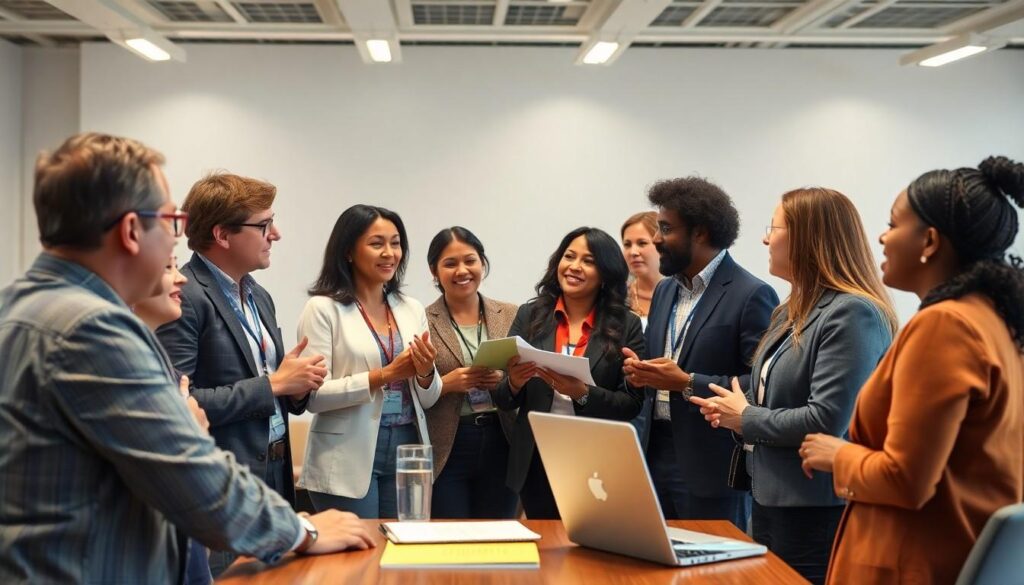
In a world where traditional education sometimes feels like a one-size-fits-all sweater that’s two sizes too small, the National Alternative Education Association (NAEA) shines like a well-tailored jacket. This organization champions innovative approaches to learning, offering a lifeline to students who thrive outside the conventional classroom. Whether it’s through personalized curriculums or flexible learning environments, NAEA is all about making education work for everyone—because who says learning can’t be fun?
With a mission to support educators and students alike, NAEA is a powerhouse of resources, networking, and advocacy. It’s not just about thinking outside the box; it’s about tossing the box out the window altogether. So, if you’re curious about how alternative education is reshaping the future, buckle up! It’s going to be an enlightening ride filled with creativity, inspiration, and maybe even a few surprises along the way.
Overview of National Alternative Education Association
The National Alternative Education Association (NAEA) serves as a pivotal organization in the realm of alternative education. NAEA focuses on innovative educational strategies that cater to students who face challenges in traditional educational settings. Its mission centers around promoting personalized learning experiences and flexible curriculums, ensuring that education is engaging and accessible.
Resources provided by NAEA include professional development opportunities for educators. Workshops, conferences, and online training sessions equip teachers with effective teaching methods tailored for diverse learning needs. Networking opportunities foster connections among educators, administrators, and advocates, creating a supportive community dedicated to alternative education.
Advocacy efforts led by NAEA highlight the importance of alternative education on the national stage. Collaborating with policymakers and educational institutions, NAEA emphasizes the necessity for varied educational options. Such focus aims at redefining expectations and standardizing practices that align with the needs of all learners.
Moreover, NAEA collects and shares research and best practices that enhance teaching and learning in alternative settings. By highlighting successful case studies, the association showcases how alternative education models can improve student outcomes. Their commitment to sharing effective strategies ultimately strengthens the educational landscape for everyone involved.
NAEA plays an integral role in transforming education through its dedication to alternative learning methods. It champions personalized approaches, offers valuable resources, advocates for policy changes, and promotes ongoing professional growth for educators.
History and Mission

The National Alternative Education Association (NAEA) has a rich history rooted in transforming education for students facing challenges in traditional settings. Established in 2000, NAEA focuses on innovative teaching methods to meet the diverse needs of these students.
Founding and Development
Founders envisioned a platform that elevates alternative education. NAEA grew from a small group of passionate educators into a national association promoting effective approaches that prioritize student engagement. This organization has expanded its reach, bringing together educators, advocates, and policymakers to facilitate substantial changes in educational practices. Over the years, NAEA has cultivated partnerships with various organizations, advocating for policies that support alternative education. By adapting to the needs of students, NAEA has remained a leader in this field, consistently advocating for best practices and successful programs.
Core Values and Objectives
Core values drive NAEA’s mission to support alternative education. The association emphasizes inclusivity, equity, and lifelong learning, ensuring that every student has access to quality education. Objectives include providing educators with valuable resources, advocating for policy changes, and inspiring innovative teaching practices. By fostering a collaborative community, NAEA empowers educators to share experiences and strategies that enhance student success. Commitment to ongoing professional development ensures that educators remain well-equipped to address the unique needs of alternative learners, reinforcing their role as leaders in educational transformation.
Programs and Services
The National Alternative Education Association offers various programs and services designed to support alternative education initiatives and professionals in the field.
Professional Development
Professional development opportunities include workshops, conferences, and online training sessions. These events focus on equipping educators with effective teaching strategies tailored to diverse student needs. Participants engage in hands-on activities and discussions that enhance their skills. Networking opportunities arise during these sessions, allowing educators to share insights and best practices. Additionally, NAEA provides resources that help identify the latest trends in alternative education and innovative approaches to learning.
Resources for Educators
Resources for educators encompass a wide range of materials and tools. NAEA offers access to research, publications, and case studies that highlight successful alternative education practices. Teaching guides and curriculum resources assist educators in developing personalized learning experiences for students. Advocacy toolkits empower educators to influence policy changes at local and national levels. Through an online portal, members can connect with a supportive community dedicated to sharing knowledge and experiences in alternative education.
Impact on Alternative Education
NAEA significantly influences the alternative education landscape through robust support and advocacy for unique learning approaches. The organization continuously highlights case studies that illustrate effective practices in non-traditional educational settings.
Case Studies
NAEA collects and disseminates numerous case studies that showcase successful alternative education models. These examples reveal how personalized learning plans, vocational training, and experiential learning enhance student engagement. Data from multiple studies indicates that students in alternative programs often achieve higher academic performance compared to their peers in traditional settings. For instance, a case study featuring a project-based learning initiative demonstrated impressive improvements in student attendance and motivation levels. NAEA’s commitment to sharing these case studies empowers educators to adopt proven strategies tailored to diverse student needs.
Success Stories
Numerous success stories emerge from NAEA’s programs and initiatives. An educator in a rural community transformed their classroom by implementing a blended learning model, resulting in significant gains in student retention. In urban settings, another program focused on mentorship and life skills training yielded remarkable results, reducing dropout rates by 20%. These narratives not only celebrate student achievements but also serve as inspiration for educators nationwide. Collectively, success stories illustrate the profound impact of alternative education on student lives and underscore the potential for replicating such outcomes across various educational contexts.
Challenges and Opportunities
NAEA faces several challenges while advocating for alternative education. Funding continues to be a significant barrier for many programs, limiting their ability to provide resources and support. Many alternative education initiatives rely on state and federal funding, which may not fully cover operational costs. Additionally, awareness of alternative education options remains low among parents and educators, which hinders student enrollment and access.
Despite these challenges, numerous opportunities exist for growth and innovation. Increased collaboration with policymakers can lead to more streamlined funding processes, benefiting alternative education models. Networking events organized by NAEA create spaces for professionals to share successful strategies and support each other. This approach fosters a sense of community that strengthens the advocacy for alternative education.
Expansion of online resources presents another opportunity for NAEA. By developing more comprehensive digital platforms, it can enhance professional development offerings and increase accessibility for educators nationwide. Conducting research and sharing best practices through digital means empowers educators to implement successful strategies in their classrooms.
The rise in demand for personalized education creates a favorable environment for alternative education. Many parents seek tailored learning experiences for their children facing difficulties in traditional settings. Engaging in dialogue about alternative education highlights its benefits and promotes a broader understanding among stakeholders.
In addition, case studies showcasing effective alternative education programs can inspire confidence in these models. NAEA’s collection of success stories serves as powerful testimonials that illustrate the positive impact of alternative education. By leveraging data on improved academic performance and reduced dropout rates, NAEA reinforces the importance of its mission and drives advocacy efforts forward.
The National Alternative Education Association stands as a beacon for innovative educational practices that cater to diverse student needs. Its unwavering commitment to advocacy and professional development empowers educators to create engaging and effective learning environments. By fostering a collaborative community and sharing best practices, NAEA not only enhances the quality of alternative education but also drives meaningful change in the educational landscape. As the demand for personalized learning continues to grow, NAEA’s role in shaping the future of education becomes increasingly vital. Through its efforts, countless students facing challenges in traditional settings are provided with the opportunities they deserve to thrive and succeed.