
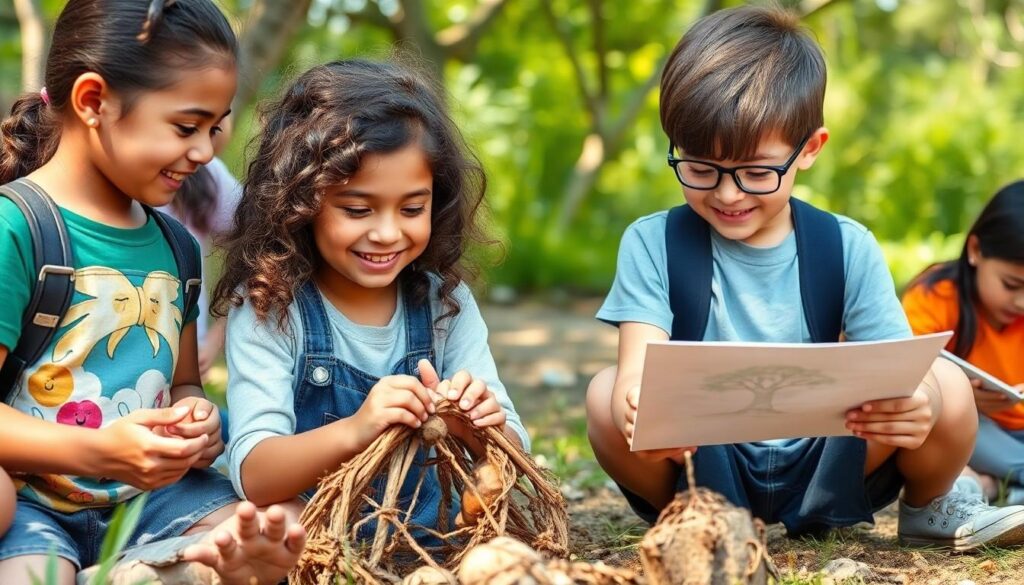
Alternative education isn’t just a buzzword; it’s a revolution in learning that’s shaking things up in classrooms everywhere. Imagine a world where kids aren’t confined to rigid desks, boring textbooks, and the dreaded pop quiz. Instead, they thrive in environments tailored to their unique strengths and interests. Sounds dreamy, right?
This approach to education embraces creativity, critical thinking, and real-world experiences. It’s not just about hitting the books; it’s about hitting the ground running with hands-on learning, personalized curriculums, and, let’s be honest, a lot more fun. Whether it’s homeschooling, Montessori methods, or unschooling, alternative education opens doors to new possibilities that traditional systems often overlook. So, buckle up as we dive into what alternative education really means and why it might just be the key to unlocking a brighter future for learners everywhere.
Understanding Alternative Education Meaning
Alternative education represents a shift from conventional learning environments, aiming to create personalized educational experiences. This approach focuses on engagement, creativity, and the individual interests of learners.
Definition of Alternative Education
Alternative education refers to non-traditional teaching methods that differ from the typical public or private school curricula. It encompasses various educational philosophies like Montessori, Waldorf, and unschooling. This educational approach emphasizes flexibility and caters to diverse learning styles. Students thrive in environments that prioritize personal interests over rigid academic structures. Schools offering alternative education may operate with different goals, such as fostering emotional intelligence and independent thinking.
Key Characteristics of Alternative Education
Alternative education encompasses several distinctive traits. Small class sizes provide more personalized attention to students. Flexible curriculums allow learners to pursue subjects that interest them deeply. Hands-on learning experiences encourage practical application of knowledge. Critical thinking skills receive emphasis alongside traditional academic subjects. Social and emotional development often takes precedence in alternative settings. Each characteristic contributes to creating an enriching educational atmosphere that empowers students.
Types of Alternative Education

Alternative education encompasses various learning methodologies that diverge from traditional schooling. Each type emphasizes unique philosophies and techniques tailored to individual student needs.
Montessori Education
Montessori education encourages self-directed learning and hands-on activities. This approach emphasizes mixed-age classrooms, allowing younger students to learn from older peers. Teachers guide rather than lead, fostering independence and critical thinking skills. Students engage in practical life experiences and sensory activities that enhance their understanding of the world. The curriculum evolves based on each child’s interests, enabling deep exploration of subjects at their own pace. This method nurtures creativity and problem-solving abilities, producing confident learners.
Waldorf Education
Waldorf education focuses on holistic development, integrating arts and academics into the curriculum. This approach values imagination and creativity, promoting experiential learning through storytelling, drama, and crafts. Classrooms often feature natural materials to create a warm, inviting environment. Teachers often stay with the same class for multiple years, fostering strong relationships. Education unfolds in stages, aligning with child development phases, thus ensuring a nurturing atmosphere. Emphasis on social and emotional growth prepares students for real-world challenges while cultivating resilience.
Homeschooling
Homeschooling allows families to tailor education to meet their child’s unique needs and interests. The curriculum can be customized, blending traditional subjects with life skills and personal passions. Involvement of parents as primary educators fosters strong family bonds and promotes personalized learning. Many resources, such as online courses and community cooperatives, support homeschooling efforts. Flexibility in scheduling enables students to learn at their own pace, accommodating different learning styles. This approach often leads to increased motivation and a genuine love for learning among children.
The Benefits of Alternative Education
Alternative education offers numerous advantages over traditional settings. Engaging students more effectively leads to improved learning outcomes and overall satisfaction.
Personalized Learning Experience
Personalized learning experiences cater to individual student needs. Students thrive in alternative education due to tailored curriculums and teaching methods. They engage with subjects at their own pace, which enhances understanding. Small class sizes foster strong relationships between students and educators, allowing for more direct feedback. Flexibility in lesson plans enables exploration of topics that spark curiosity. Additionally, personalized approaches promote self-directed learning, encouraging students to take initiative in their education. Adjusting teaching methods based on student strengths creates a more inclusive atmosphere, making education accessible to everyone.
Fostering Creativity and Critical Thinking
Fostering creativity and critical thinking happens naturally in alternative education. Students benefit from hands-on activities and real-world problem-solving experiences. Learning environments that emphasize exploration encourage students to ask questions and think critically. Creative projects become a common feature, allowing self-expression and imaginative thinking. Alternative methodologies integrate arts with formal subjects, promoting holistic development. They cultivate an atmosphere where innovation thrives and students feel comfortable taking risks. With this focus on creativity, students often become more adaptable thinkers, ready to tackle complex challenges in the future.
Challenges and Criticisms of Alternative Education
Alternative education faces several challenges that impact its effectiveness and reach.
Limited Resources and Accessibility
Limited resources hinder the effectiveness of alternative education. Many programs operate on tight budgets, which restricts the availability of materials and facilities. Accessibility also poses an issue. Some families may lack knowledge or resources to explore alternative options, leaving them confined to traditional education. Geographic location can further complicate access, particularly in rural areas with fewer alternative institutions. Economic factors play a role too; not all families can afford private alternative education, creating disparities in educational opportunities.
Misconceptions about Alternative Education
Misconceptions about alternative education persist, often clouding its true benefits. Some view it as less rigorous than traditional education, equating flexibility with a lack of structure. This perception can deter families from considering alternative paths for their children. Others mistakenly believe alternative education is solely for gifted or troubled students, limiting its appeal to a broader audience. Public understanding often overlooks the successful outcomes that many students achieve in these environments. With increased awareness and accurate information, more families could appreciate the diverse benefits alternative education provides.
Alternative education represents a significant shift in how learning can be approached. By prioritizing individual strengths and interests, it creates a dynamic environment where students can truly excel. This model not only fosters creativity and critical thinking but also nurtures emotional and social development.
Despite the challenges and misconceptions surrounding it, the benefits of alternative education are clear. With personalized experiences and flexible curriculums, students are empowered to take charge of their learning journeys. As awareness grows, more families may discover the enriching possibilities that alternative education offers, paving the way for a brighter future in education.