
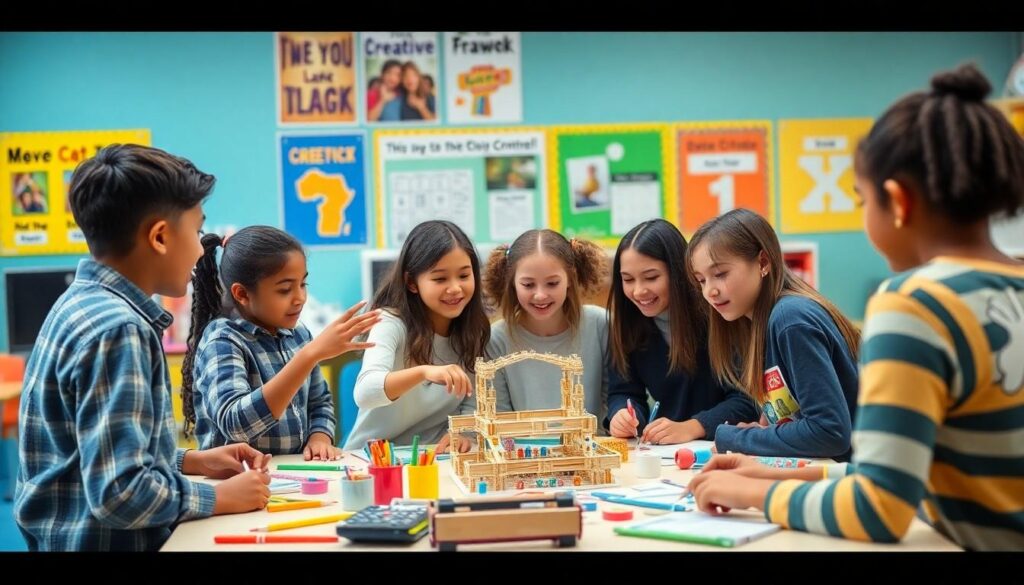
In a world where traditional classrooms often feel more like prisons than places of learning, alternative education academies are shaking things up. Imagine a school where creativity reigns, curiosity is celebrated, and students actually look forward to learning. Sounds like a dream, right? Well, it’s time to wake up because these innovative institutions are making that dream a reality.
Overview of Alternative Education Academy
Alternative education academies emphasize diverse learning approaches that cater to individual student needs. These institutions often utilize project-based learning, hands-on experiences, and interdisciplinary studies. Students engage in practical applications of knowledge, fostering critical thinking and problem-solving skills.
Curriculum design within alternative education academies diverges from traditional models. Educators often implement personalized learning plans, allowing students to progress at their own pace. Smaller class sizes frequently facilitate one-on-one interactions between students and teachers, enhancing the overall learning experience.
Extracurricular activities play a significant role in these academies. Opportunities include arts, sports, and community service initiatives, all promoting holistic development. Such activities encourage collaboration, leadership skills, and social responsibility among students.
Alternative education academies also prioritize emotional and social well-being. Mental health resources and counseling support are often integrated into the educational framework. By addressing these aspects, students develop resilience and adaptability in various situations.
The approach to assessment varies significantly. Instead of traditional exams, many alternative education academies use portfolios, presentations, or project assessments. This method provides a comprehensive evaluation of a student’s understanding and skills, enabling a more accurate reflection of their capabilities.
Adoption of technology further characterizes these innovative learning environments. Digital tools enhance collaboration, research, and self-directed learning. Students often utilize online resources to explore subjects in greater depth, promoting independent thinking.
As these academies continue to evolve, they reshape educational experiences, fostering a community that values creativity, engagement, and personal growth.
Benefits of Alternative Education

Alternative education academies offer distinct advantages that enhance learning experiences. These benefits include personalized approaches and adaptability to individual student needs.
Personalized Learning Experience
Students receive tailored educational experiences that align with their unique learning styles. Progress occurs at individualized paces, allowing for deeper understanding of subjects. Instructors guide students through personalized learning plans, ensuring engagement and growth. Smaller class sizes facilitate more interaction with teachers, allowing for immediate feedback. Assessments often emphasize projects and presentations, providing comprehensive evaluations beyond traditional tests. This focus fosters self-directed learning while empowering students to take charge of their educational journeys.
Focus on Individual Strengths
Alternative education emphasizes each student’s strengths, promoting a sense of confidence and self-worth. Curriculums incorporate varied activities that highlight different skills, enabling students to explore talents outside standard academics. Creative expressions through arts and hands-on projects encourage unique competencies. Collaborative learning environments celebrate diversity and foster mutual respect among peers. By nurturing students’ individual strengths, these academies motivate them to pursue interests passionately and authentically, contributing to overall personal development.
Types of Alternative Education Academies
Alternative education academies encompass various approaches that enrich student learning. These unique institutions tailor educational experiences to meet the diverse needs of learners.
Montessori Schools
Montessori schools emphasize hands-on, student-driven learning. In these classrooms, children select activities based on their interests and abilities. Materials designed to promote exploration and discovery create engaging learning environments. Educators serve as guides, facilitating independent exploration. Classrooms often mix age groups, encouraging peer learning and collaboration. This approach nurtures critical thinking and creativity, fostering a love of learning.
Waldorf Education
Waldorf education prioritizes holistic development through an integrated curriculum. Artistic expression, storytelling, and practical skills intertwine, supporting cognitive, social, and emotional growth. Students participate in various activities, including music, crafts, and nature studies. Each grade level builds upon the previous one, aligning with developmental stages. Teachers develop strong relationships with students, fostering a sense of community and belonging. This method nurtures imagination and a connection to the world.
Online Alternative Programs
Online alternative programs provide flexible learning opportunities for students. These virtual academies offer personalized curriculums tailored to individual pacing and interests. By utilizing technology, students access diverse resources and engage in interactive experiences. Online platforms often include community elements, allowing for peer collaboration and social interaction. Students receive support from educators through digital platforms, enhancing feedback and guidance. This model caters to various learning styles, promoting accessibility and convenience.
Challenges Faced by Alternative Education Academies
Alternative education academies encounter various challenges, impacting their operations and effectiveness.
Public Perception and Stigma
Public perception often presents a significant hurdle for alternative education academies. Misunderstandings about their educational methodologies can lead to stigma, portraying these schools as less credible than traditional institutions. Many still associate alternative education with a lack of structure, questioning its academic rigor. Additionally, families may feel apprehensive about enrolling their children in non-traditional settings, fearing potential social isolation or inconsistency in educational outcomes. Overcoming these perceptions requires effective communication that highlights success stories and positive student outcomes, showcasing the true potential of these innovative approaches.
Funding and Resources
Funding and resources pose substantial challenges for alternative education academies. Many of these institutions operate with limited financial backing, relying heavily on grants, donations, or tuition fees. Inadequate funding can hinder the ability to offer comprehensive programs, hire qualified staff, or maintain updated facilities. Insufficient resources also restrict access to necessary materials or technology, impacting the quality of education provided. Establishing partnerships with local businesses and community organizations can serve as a strategy to secure additional funding and support, enhancing the learning environment for students.
Alternative education academies are redefining how students engage with learning. By prioritizing creativity and personalized experiences, they create environments that nurture individual strengths and interests. This innovative approach not only enhances academic performance but also promotes emotional well-being and social responsibility.
Despite facing challenges such as funding and public perception, these academies continue to thrive by fostering a sense of community and collaboration. As they adapt and grow, alternative education will likely play a crucial role in shaping the future of learning, offering diverse pathways for students to succeed beyond traditional boundaries.