

In today’s rapidly changing job market, skills-based education is gaining traction as a powerful alternative to traditional learning. This approach focuses on equipping students with practical skills that directly align with industry demands, fostering a workforce ready to tackle real-world challenges. By prioritizing hands-on experience and critical thinking, skills-based education empowers learners to thrive in their careers.
As employers increasingly seek candidates with specific competencies, educational institutions are adapting their curricula to meet these needs. This shift not only enhances employability but also encourages lifelong learning, enabling individuals to continuously develop and refine their skills. Understanding the importance of skills-based education can transform how students approach their studies and prepare for their futures.
Overview Of Skills-Based Education
Skills-based education focuses on teaching practical skills directly linked to specific occupations or industries. This approach integrates theoretical knowledge with hands-on experience, enabling students to apply what they learn in real-world settings. The emphasis on skills such as problem-solving, teamwork, and communication aligns educational outcomes with employer needs.
Educational institutions increasingly incorporate project-based learning and internships into their curricula. These experiences enhance student engagement and foster collaboration with industry professionals. Such participation cultivates essential competencies valued in the workplace, preparing graduates for immediate employment.
Skills-based education includes diverse training methods, such as simulations, workshops, and mentorship programs. These strategies increase a student’s practical skills while promoting adaptability and critical thinking. This education model also encourages lifelong learning, equipping individuals for career advancement and shifts in job markets.
Furthermore, assessment in skills-based education shifts from traditional exams to performance-based evaluations. Instructors evaluate students on their ability to demonstrate competencies through projects and real-life applications. This shift not only improves learning outcomes but also provides clearer insights into student readiness for employment.
Benefits Of Skills-Based Education
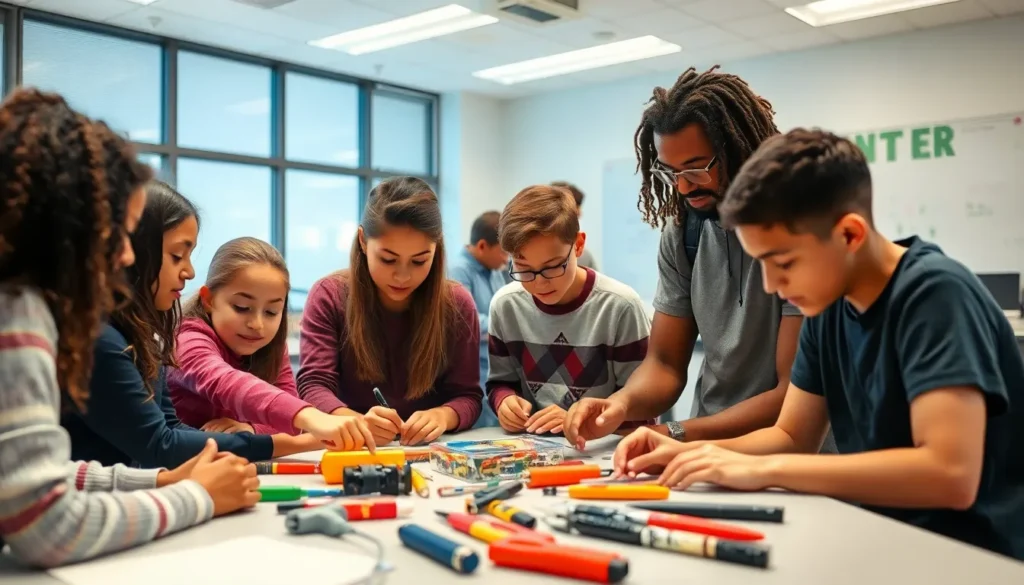
Skills-based education offers substantial advantages, particularly in enhancing student employability and facilitating real-world application of learned skills. This approach aligns educational practices with industry requirements, addressing the evolving needs of the job market.
Enhanced Employability
Enhanced employability results from a curriculum designed to cultivate specific competencies that employers seek. Students acquire relevant skills through practical training, making them attractive candidates for positions across various sectors. Skills such as critical thinking, problem-solving, and effective communication directly correlate with job performance and career advancement.
Educational institutions increasingly collaborate with industry partners to create tailored programs that reflect current job trends. Graduates with a skills-based education demonstrate a readiness to tackle workplace challenges, ensuring a smoother transition from academia to the workforce.
Real-World Application
Real-world application is a core component of skills-based education, bridging the gap between theoretical knowledge and practical experience. Students engage in hands-on projects, internships, and simulations that mimic actual workplace scenarios. Such experiences foster confidence and adaptability, allowing students to apply their skills in diverse contexts.
This method not only enhances learning but also helps students understand the relevance of their education in everyday tasks and professional situations. By focusing on applicable skills, students become better prepared for the complexities of their chosen fields, ultimately leading to increased job satisfaction and success.
Key Components Of Skills-Based Education
Skills-based education comprises several essential components that enhance student learning and employability. Notably, effective curriculum design and assessment methods play critical roles in preparing students for the demands of the workforce.
Curriculum Design
Curriculum design in skills-based education focuses on aligning academic content with industry-specific competencies. It integrates theoretical concepts with practical applications, allowing students to engage in real-world scenarios. Elements such as project-based learning and internships provide students with hands-on experience. Interdisciplinary approaches further enrich learning, enabling students to develop a versatile skill set. Collaborations with industry partners ensure the curriculum reflects evolving job trends, making graduates more competitive in the job market.
Assessment Methods
Assessment methods in skills-based education have shifted from traditional testing to performance-based evaluations. This transition allows educators to evaluate students on their ability to apply knowledge in practical situations. Methods such as portfolios, presentations, and peer assessments provide a clearer picture of student mastery. Continuous feedback further supports student growth, encouraging them to reflect on their skills and areas for improvement. Ultimately, these assessment strategies enhance overall learning outcomes by aligning evaluations with real-world expectations.
Challenges In Implementing Skills-Based Education
Implementing skills-based education presents several challenges for educational institutions and stakeholders.
- Curriculum Development: Developing a curriculum that reflects industry needs requires constant updates. Educators must collaborate with industry experts to align educational content with evolving job market demands.
- Resource Allocation: Allocating sufficient resources, including funding and trained personnel, can strain institutional budgets. Prosperous skills-based programs often rely on technology, materials, and facilities that may not always be accessible.
- Faculty Training: Training faculty members to teach skills-based methodologies presents a significant hurdle. Traditional teaching methods differ from hands-on approaches; therefore, professional development is essential for effective implementation.
- Assessment Methods: Creating effective assessment methods that accurately evaluate practical skills poses challenges. Performance-based evaluations must replace traditional testing, requiring institutions to develop new criteria and benchmarks for success.
- Stakeholder Buy-In: Gaining buy-in from all stakeholders, including students, parents, and industry leaders, remains crucial. Outreach and education about the benefits of skills-based education can help alleviate concerns and skepticism.
- Student Preparedness: Some students may lack the foundational knowledge necessary for skills-based programs. Institutions must provide support for varying skill levels to ensure all students can engage effectively in hands-on learning.
- Equity and Accessibility: Ensuring equitable access to skills-based education for all students presents ongoing challenges. Institutions need to address disparities in access to resources, technologies, and programs that promote skill development.
- Collaboration with Industry: Building and maintaining partnerships with industry can be difficult. Institutions must actively seek alignment with employers to create meaningful internships and learning opportunities that meet both academic and professional standards.
Skills-based education is reshaping the landscape of learning and career preparation. By prioritizing practical skills and real-world applications, it equips students with the competencies needed to thrive in today’s competitive job market. The emphasis on hands-on experience and collaboration with industry partners not only enhances student engagement but also aligns educational outcomes with employer expectations.
As institutions continue to adapt their curricula to meet evolving industry demands, the focus on effective assessment methods will further ensure that graduates are ready to tackle workplace challenges. Embracing this educational approach fosters a culture of lifelong learning and adaptability, ultimately leading to greater job satisfaction and success for students. The future of education lies in its ability to bridge the gap between theory and practice, preparing individuals for meaningful careers.