
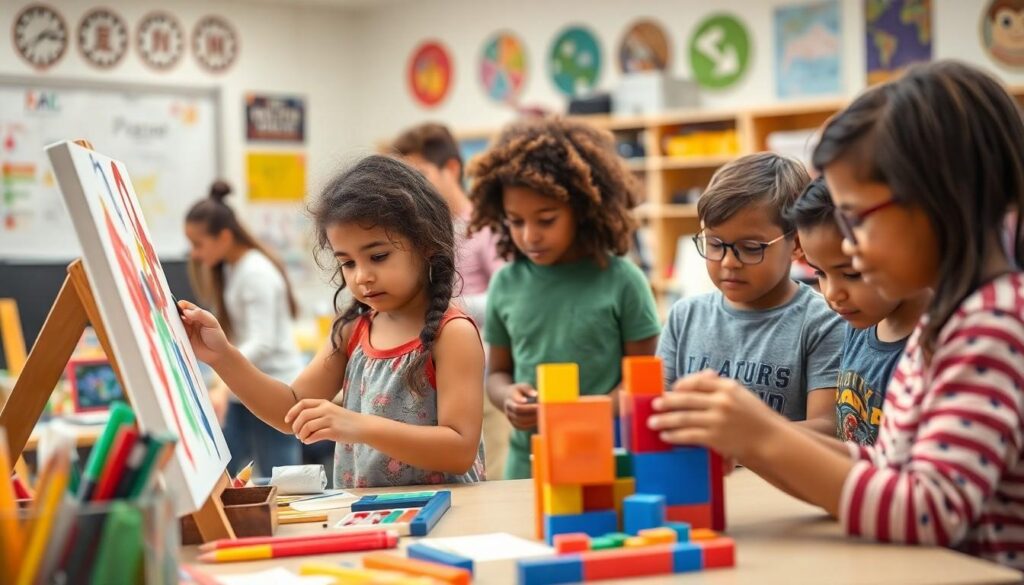
In a world where traditional classrooms can feel more like prisons than places of learning, alternative education centers are shaking things up. These innovative hubs are designed to meet the unique needs of students who don’t quite fit the mold. Imagine a place where creativity flourishes, hands-on learning reigns supreme, and the only thing getting tested is a student’s ability to think outside the box.
Overview of Alternative Education Centers
Alternative education centers provide diverse learning methods that address needs unmet in conventional education systems. These institutions often emphasize project-based learning, allowing students to engage with material in practical ways. Smaller class sizes foster personalized attention and support, creating an environment conducive to individual growth.
Students enrolled in such centers benefit from varied curricula that integrate arts, technology, and vocational training. Focus often lies on social-emotional development, promoting resilience and self-advocacy. With a flexible schedule, these centers accommodate unique circumstances, aiding students who may struggle with traditional timelines.
Certification requirements differ significantly from typical schools, including alternative assessment methods that reflect individual progress. Local education authorities may approve many centers, ensuring they meet specific educational standards. Innovative teaching strategies often incorporate experiential learning, allowing students to explore real-world applications of theoretical concepts.
Collaboration among educators, parents, and community members enhances the learning experience. Partnerships with local organizations may provide resources and support for students pursuing specialized fields. Commitment to inclusivity often leads to programs tailored for various learning styles, ensuring no student is left behind.
Ultimately, alternative education centers serve as an essential pathway for students seeking a more engaging educational experience. They strive to cultivate a nurturing atmosphere where creative problem-solving and critical thinking flourish. Such centers continue to grow in importance as they adapt to the changing needs of today’s learners.
Benefits of Alternative Education Centers

Alternative education centers provide numerous advantages for students in need of different learning environments. These centers prioritize personalized learning that caters to each student’s unique strengths and challenges.
Personalized Learning Approaches
Personalized learning approaches help students engage with their studies on a deeper level. He or she encounters tailored curricula that match their interests and pace. Educators assess individual progress regularly, adjusting lessons to accommodate varying skill levels. Flexibility in scheduling allows students to manage their time effectively, further enhancing learning outcomes. This student-centered focus fosters accountability and encourages independent thinking.
Support for Diverse Learning Styles
Support for diverse learning styles remains a cornerstone of alternative education centers. Often, these centers embrace innovative teaching techniques that resonate with auditory, visual, and kinesthetic learners. Students experience a rich blend of activities, from hands-on projects to collaborative discussions, promoting active participation. Social-emotional learning initiatives nurture a supportive community, enabling students to express their needs confidently. By recognizing and adapting to varied learning preferences, these centers create a welcoming atmosphere that empowers all students.
Types of Alternative Education Centers
Alternative education centers encompass various models tailored to meet diverse student needs. Each type offers unique philosophies and methodologies that differentiate them from traditional schools.
Montessori Schools
Montessori schools emphasize self-directed learning and hands-on experiences. Students choose their activities from a prepared environment, which encourages independence and fosters intrinsic motivation. Multisensory materials stimulate exploration and discovery, allowing learners to engage at their own pace. Teachers guide rather than instruct, focusing on observation and support. This approach nurtures critical thinking and creativity, catering to individual learning styles while promoting collaboration among peers.
Waldorf Education
Waldorf education centers on holistic development and nurturing imagination. The curriculum incorporates arts, music, and movement, integrating them into daily learning experiences. A strong emphasis is placed on fostering social skills and emotional intelligence. Teachers remain with the same group of students for several years, fostering strong relationships and continuity. This stable environment supports personal growth and a deep sense of community, encouraging students to become well-rounded individuals.
Charter Schools
Charter schools operate independently of traditional school districts, offering more flexibility in curricula and teaching methods. These schools are often designed to serve specific educational philosophies or populations. Accountability based on performance is a cornerstone of charter schools, ensuring they meet established standards. Students benefit from innovative programs and often smaller class sizes, allowing for more personalized attention. Community involvement frequently enhances resources and creates a supportive learning atmosphere for student success.
Challenges Faced by Alternative Education Centers
Alternative education centers encounter various challenges that can impact their effectiveness. Funding limitations and resource availability often hinder operations.
Funding and Resources
Available funding for alternative education centers remains inconsistent, creating obstacles for program development and sustainability. Many centers rely heavily on grants, donations, and partnerships, which can fluctuate year to year. Budget constraints often impact the ability to hire qualified staff, maintain facilities, and access educational materials. As a result, limited resources can restrict the scope of programs offered, hindering student engagement and achievement. Collaborations with local businesses and community organizations can enhance funding opportunities, yet these connections demand time and effort. Financial support from government initiatives also plays a crucial role, as insufficient backing undermines the quality experienced by students.
Curriculum Development
Curriculum development presents another challenge for alternative education centers. Differences in student needs require tailored approaches, complicating the creation of effective learning frameworks. Diverse instructional methods and materials must align with the varied interests and capabilities of students. Centers often face difficulties in integrating arts, technology, and vocational training into their curriculum. While project-based learning is a focus, ensuring that assessments reflect individual progress can create complexities. Collaboration among educators is essential but can be challenging due to differing teaching philosophies and practices. Adapting to evolving educational standards further complicates the development process, necessitating continual revisions to curricula.
Alternative education centers represent a vital shift in the educational landscape. By prioritizing personalized learning and innovative teaching methods, these centers cater to students who may not thrive in traditional settings. Their unique approaches foster creativity and resilience while addressing individual needs.
Despite facing challenges such as funding and curriculum development, the commitment to inclusivity and collaboration among educators, parents, and communities remains strong. This dedication ensures that students receive the support and resources necessary to succeed.
As alternative education continues to evolve, it plays a crucial role in shaping a more diverse and effective educational experience for all learners.