
In a world where traditional classrooms can feel like a never-ending loop of lectures and standardized tests, alternative education schools are shaking things up. Imagine a place where learning is as diverse as a buffet, allowing students to pick and choose what satisfies their intellectual appetites. These innovative schools offer a refreshing twist on education, catering to different learning styles and interests while keeping boredom at bay.
From project-based learning to outdoor adventures, alternative education schools are redefining what it means to be a student. They’re not just about textbooks and tests; they’re about fostering creativity, critical thinking, and a love for learning that lasts a lifetime. If you’re tired of the same old routine and ready to explore an exciting educational journey, alternative education might just be the ticket to a brighter future.
Understanding Alternative Education Schools
Alternative education schools represent a shift from conventional teaching methods, emphasizing personalized learning and student engagement. These schools focus on fostering creativity and critical thinking, catering to diverse student needs and preferences.
Definition and Characteristics
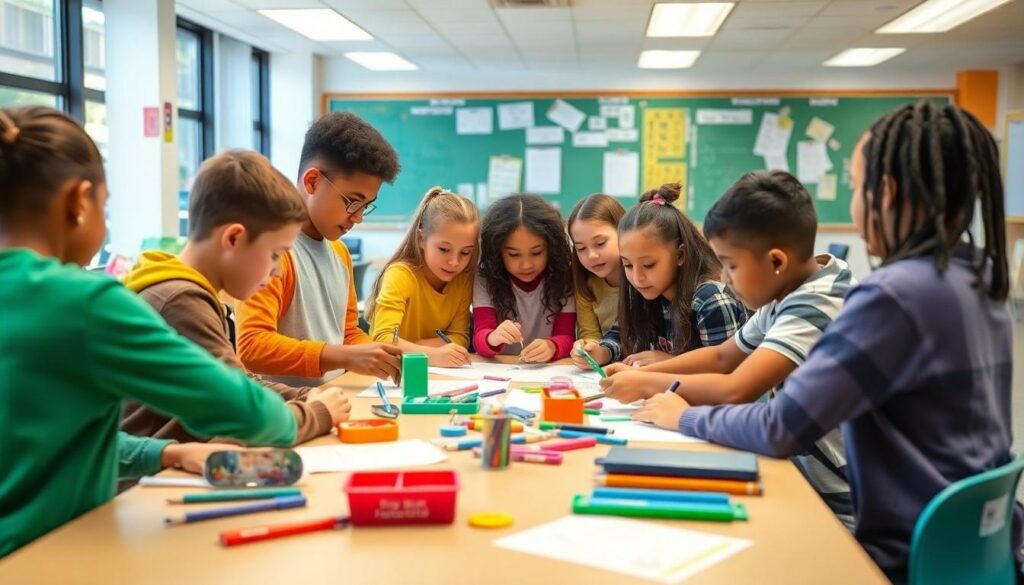
Alternative education schools prioritize individualized learning experiences. These institutions often emphasize hands-on activities, promoting student agency. Flexible curricula adapt to different learning styles, enabling mastery without race to standardized testing. Smaller class sizes support closer relationships between educators and students, enhancing interpersonal communication. Inclusivity becomes central, accommodating various backgrounds and learning challenges. By creating supportive environments, these schools encourage exploration and a love for learning.
Types of Alternative Education Schools
Various types of alternative education schools exist, each with unique approaches. Montessori schools encourage hands-on learning, allowing students to choose their tasks. Waldorf schools focus on nurturing creativity through the arts. Democratic schools emphasize student governance, allowing learners to have a voice in decision-making processes. Online education programs cater to those preferring digital learning environments. Specialty schools, targeting specific interests such as arts, sciences, or technology, develop focused career pathways. Each type enhances educational opportunities, expanding choices for students seeking non-traditional pathways.
Benefits of Alternative Education Schools
Alternative education schools offer numerous advantages, enhancing the learning experience for students. These schools create education pathways tailored to individual needs and interests.
Personalized Learning Approaches
Personalized learning approaches define alternative education, meeting each student at their level. Students engage in customized curricula that adapt to their unique learning styles. Educators employ varied teaching strategies, ensuring students grasp concepts effectively. Moreover, frequent assessments help track progress, allowing adjustments to learning plans. Smaller class sizes enable teachers to provide individual attention, fostering a supportive environment. This focus on personalization empowers students to take ownership of their education and encourages a deeper understanding of their subjects.
Focus on Life Skills and Values
Alternative education schools emphasize life skills and core values alongside academic knowledge. Programs often integrate practical lessons on communication, collaboration, and problem-solving. Students participate in group activities that build teamwork abilities and social skills. Furthermore, these schools instill values like respect, empathy, and responsibility in their curricula. Through experiential learning opportunities, students gain real-world experiences that promote critical thinking and decision-making. Prioritizing personal development prepares students for future challenges, equipping them with tools for success beyond the classroom.
Challenges Faced by Alternative Education Schools
Alternative education schools encounter various challenges that impact their implementation and effectiveness.
Funding and Resources
Funding significantly affects the operations of alternative education schools. Many institutions struggle to secure adequate financial support, leading to limited resources for teachers and students. Government funding often falls short, especially for schools without traditional accreditation. Nonprofits and private donations sometimes bridge gaps, but they can’t replace stable funding sources. Access to teaching materials, technology, and facilities frequently suffers, hindering educational quality. Schools with innovative programs may lack proper facilities, which restricts program expansion. Relying on tuition can also create inequities, making attendance inaccessible for some families.
Perception and Stigma
Perceptions of alternative education can present significant hurdles. Many people view these schools as less rigorous than traditional counterparts, perpetuating stigma. Misunderstandings about alternative methods may lead to skepticism among parents and community members. Students in these programs sometimes face social stigma, impacting their self-esteem and peer relationships. Misconceptions can also affect enrollment numbers, preventing schools from reaching their full potential. Efforts to change these perceptions involve demonstrating academic success and emphasizing the benefits of alternative education. Building a strong community presence can also help combat negative stereotypes.
Success Stories from Alternative Education Schools
Alternative education schools showcase numerous success stories, demonstrating the positive impact on students’ lives. These institutions foster creativity, personal growth, and academic achievement.
Case Studies and Examples
One notable example is the Montessori School of Denver, which emphasizes self-directed learning for students aged 3 to 14. In this environment, children engage in hands-on activities that align with their interests. Another example is the Waldorf School of the Peninsula, where students learn through the arts and experiential projects. Such schools have reported increased student engagement and higher retention rates, illustrating the effectiveness of alternative education models.
Student Outcomes and Achievements
Student outcomes in alternative education often reveal impressive academic and personal growth. Research shows students in these settings frequently outperform peers in traditional schools, specifically in critical thinking and problem-solving skills. Additionally, graduation rates for alternative schools often exceed 80%, indicating strong overall success. Many students transition successfully to higher education, with some receiving scholarships for their unique approaches to learning. They demonstrate resilience, adaptability, and creativity, traits essential for navigating future challenges.
Alternative education schools are reshaping the landscape of learning by prioritizing student engagement and personalized experiences. These innovative institutions cultivate critical thinking and creativity while preparing students for real-world challenges. With a focus on hands-on learning and smaller class sizes, educators foster supportive environments that encourage individual growth.
Despite facing challenges like funding and societal perceptions, the successes of alternative education schools highlight their effectiveness. They provide pathways that not only enhance academic performance but also build essential life skills. As more families explore these non-traditional options, alternative education continues to prove its value in nurturing well-rounded, adaptable learners ready to thrive in an ever-changing world.